Evaluating the Funny 3D PSD Text Effect Style for Modern Graphic Design Projects
In the rapidly evolving landscape of digital graphic design, the demand for typography that captures attention without sacrificing professionalism is higher than ever. Designers, marketers, and content creators often find themselves balancing the need for speed with the desire for unique, high-quality visuals. This is where specific asset categories, such as the Funny 3D PSD Text Effect Style, enter the conversation. Unlike standard flat text or generic bevels, this style offers a distinct blend of whimsy and dimensionality that can significantly alter the tone of a visual composition. Understanding what this style entails, how it functions technically, and when it is the appropriate choice compared to other methods is essential for making informed decisions about your design workflow.
Defining the Aesthetic and Technical Structure
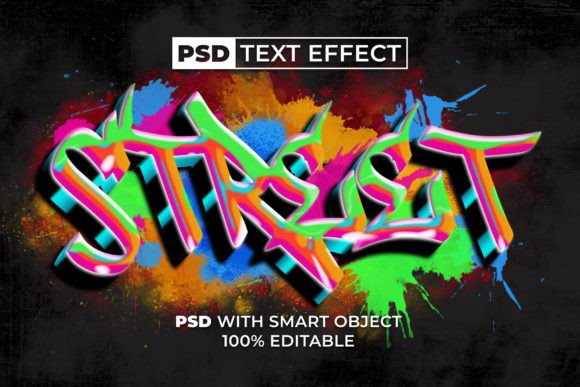
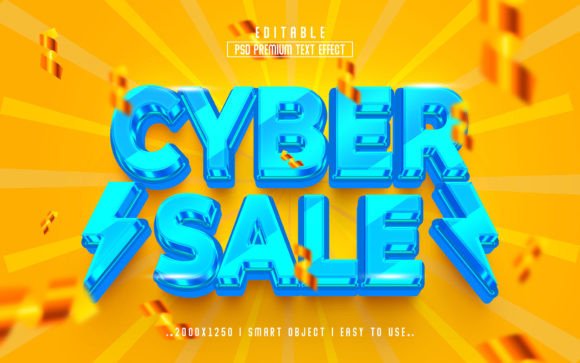
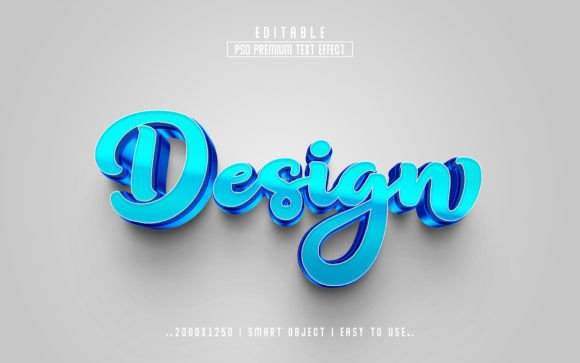
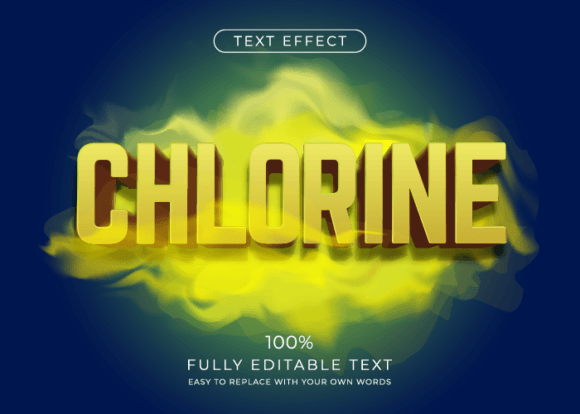
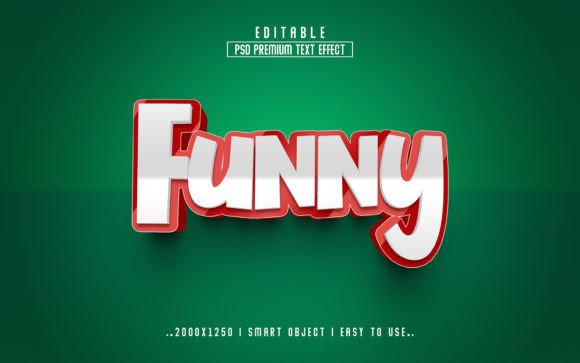
The term "Funny 3D" in this context does not merely imply comedy; rather, it refers to a playful, exaggerated, and often vibrant approach to three-dimensional typography. These effects typically utilize bold colors, rounded edges, and dynamic lighting scenarios that evoke a sense of fun and approachability. Technically, these assets are delivered as Photoshop Document (PSD) files leveraging Smart Objects. This architecture is critical because it separates the complex rendering of shadows, highlights, textures, and depth from the actual text content.
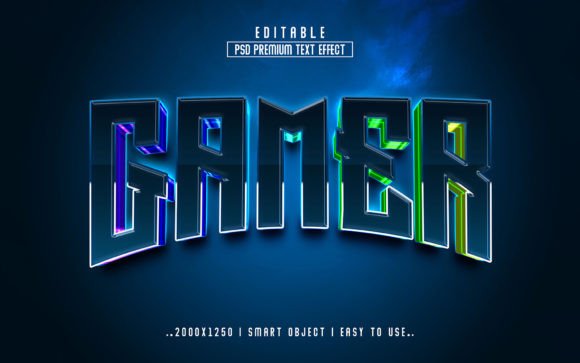
When you utilize a file described as a 3d Editable psd Text Effect Style, you are essentially accessing a pre-built lighting and texture engine. The core mechanism relies on Smart Objects, which allow users to simply open a specific layer, replace the placeholder text or shape, save the change, and watch the main document automatically update with the new content wrapped in the 3D effect. This method supports not only standard typefaces but also vector shapes and custom logos, providing versatility beyond simple headlines. With specifications often reaching 2000×1250 pixels at 300 DPI in RGB color mode, these files are engineered for both high-resolution print materials and crisp digital displays.
Comparative Analysis: Custom Modeling vs. Pre-Made Effects
To evaluate the true value of this style, one must compare it against the primary alternatives: building 3D text from scratch using software like Blender, Cinema 4D, or Adobe's native 3D tools, versus using flat 2D layer styles.
Building from Scratch: Creating a custom 3D environment offers unlimited freedom. You can control every polygon, light source, and camera angle. However, the tradeoff is time and technical expertise. Rendering realistic, playful lighting that looks "funny" or cartoonish without appearing cheap requires significant skill in material setup and lighting theory. For a professional with a tight deadline, this approach may be inefficient.
Flat Layer Styles: On the other end of the spectrum are basic drop shadows and bevels applied directly in Photoshop. While fast, these often lack the depth and realism needed to make a design pop in a crowded media feed. They can appear dated or overly simplistic.
The Middle Ground: The Funny 3D PSD Text Effect Style occupies a strategic middle ground. It provides the visual complexity of a rendered 3D scene with the editability of a 2D workflow. The primary advantage here is consistency; the lighting and texture ratios are pre-calculated by the creator, ensuring that whether you type "Sale" or "Party," the volumetric integrity of the letters remains intact. This is particularly beneficial for non-3D specialists who need high-end results without the steep learning curve of dedicated 3D modeling suites.
Operational Strengths and Workflow Efficiency
The operational strengths of these editable PSDs lie in their organization and flexibility. A well-constructed file will feature well-organized layers in groups, allowing users to isolate specific elements if minor tweaks are necessary. For instance, while the main structure is locked within a Smart Object, advanced users might appreciate the ability to adjust global color balance or overlay additional textures on top of the rendered result.
The claim of "100 Editable Font and every elements can be change" highlights a crucial decision factor: adaptability. Because the effect is applied via Smart Objects rather than rasterized pixels, the text remains vector-based until the final render. This means you can swap a thick, blocky font for a thinner, handwritten script, and the 3D extrusion will adapt accordingly. Furthermore, the compatibility with vector shapes means these effects are not limited to typography; they can be applied to icons, badges, or illustrative elements, creating a cohesive 3D theme across a entire branding package.
Efficiency is further enhanced by the inclusion of help guides and high-resolution outputs. A resolution of 300 DPI ensures that the asset is print-ready for posters, flyers, or packaging, while the RGB color space guarantees vibrancy on screens. The file size and dimensions (typically around 2000x1250 pixels) offer a generous canvas that can be scaled down for social media or cropped for banners without losing fidelity.
Limitations and When to Seek Alternatives
Despite their utility, these pre-made effects are not a panacea for every design challenge. There are specific scenarios where relying on a Funny 3D PSD Text Effect Style may yield suboptimal results.
- Animation Requirements: If the final deliverable requires motion graphics (e.g., rotating text or flying logos), a static PSD is insufficient. In such cases, native 3D software or After Shapes templates are superior choices.
- Specific Lighting Constraints: Pre-made effects come with a fixed lighting setup. If your brand guidelines dictate a very specific light direction that contradicts the PSD's built-in shadows, correcting this can be difficult without breaking the Smart Object link or resorting to complex masking techniques.
- Extreme Customization: While fonts and colors are editable, the fundamental geometry of the 3D extrusion (e.g., changing the depth profile from straight to tapered) is usually fixed. If a project demands unique geometric distortions, a custom 3D model is necessary.
- CMYK Print Production: Most of these files are provided in RGB. While they are high resolution, converting vibrant, glowing 3D effects to CMYK for offset printing can sometimes result in duller colors. Professional print projects may require a dedicated CMYK workflow.
Decision Factors for the Modern Designer
When deciding whether to integrate this style into your toolkit, consider the project's timeline, the required aesthetic tone, and your technical comfort level. If you are working on a campaign for a children's product, a gaming tournament, a festive holiday sale, or a creative portfolio piece that needs to stand out, the playful nature of this effect is highly effective. It communicates energy and creativity instantly.
Conversely, for corporate financial reports, legal documentation, or minimalist luxury branding, this style may be too informal. The "funny" aspect implies a deviation from seriousness, which might undermine the intended message in conservative industries.
From a resource management perspective, purchasing or downloading a high-quality PSD with a help txt file and organized layers is an investment in time savings. Instead of spending hours tweaking bevel settings and gradient overlays, you can achieve a polished look in minutes. This allows designers to focus more on composition, layout, and messaging rather than getting bogged down in technical rendering details.
Final Thoughts on Integration
The availability of resources like the Hello, this is 3d Editable psd Text Effect Style represents a shift in how design assets are consumed. It democratizes high-quality 3D aesthetics, making them accessible to a broader range of creatives. By understanding the balance between the convenience of Smart Objects and the limitations of pre-set lighting, designers can strategically deploy these tools to enhance their work.
Ultimately, the goal is to choose the right tool for the job. If you need a quick, impactful, and visually engaging 3D text element that exudes personality, this style is a robust option. However, always verify the licensing terms, check the resolution requirements against your output medium, and ensure the aesthetic aligns with your brand identity before committing to the final design. With the right application, these effects can transform a mundane headline into a focal point that drives engagement and conveys a clear, lively message.