Unleashing Urban Energy: The Graffiti Text Effect Colorful Style for Modern Design
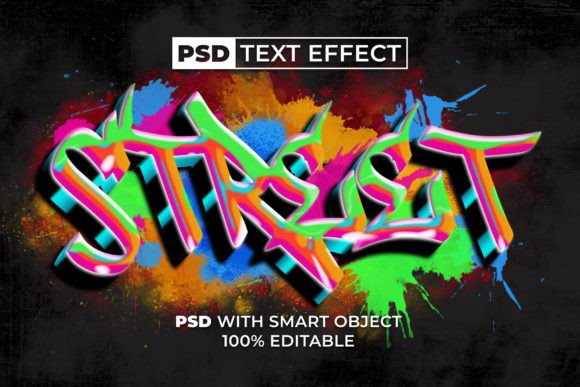
In the rapidly evolving landscape of digital design, the boundary between street art and professional branding continues to blur. What was once confined to subway walls and alleyways has migrated to screens, social media feeds, and product packaging. At the heart of this visual shift is the Graffiti Text Effect Colorful Style, a dynamic approach to typography that captures the raw energy, rebellion, and vibrancy of urban culture. For designers, marketers, and content creators, mastering this aesthetic no longer requires years of practice with spray cans or advanced illustration skills. Instead, modern workflows have introduced streamlined solutions, such as the Graffiti text effect style for Photoshop with Smart Object, which democratizes high-end graphic design for users of all skill levels.
The relevance of this style extends far beyond mere aesthetics. In an era where attention is the most valuable currency, brands and individuals are constantly seeking ways to stand out. Traditional, clean sans-serif fonts often fail to convey the personality and edge that younger demographics crave. The colorful graffiti style offers a solution by injecting immediacy and emotion into communication. It signals creativity, boldness, and a connection to contemporary culture. Whether used for a music festival poster, a streetwear logo, or a YouTube thumbnail, this effect transforms ordinary text into a visual statement that demands to be seen.
The Evolution from Canvas to Click
Historically, achieving a authentic graffiti look required significant artistic talent. Artists spent countless hours mastering drip techniques, layering colors, and understanding how light interacts with textured surfaces. Today, technology has accelerated this process without sacrificing quality. The evolution of tools like Adobe Photoshop has allowed developers to create sophisticated templates that replicate these complex textures digitally. The Graffiti text effect style for Photoshop with Smart Object represents a pivotal moment in this evolution. It bridges the gap between manual artistry and digital efficiency.
This shift aligns with broader changes in creative habits and user expectations. Modern audiences consume content at a breathtaking pace. A designer working on a tight deadline for a client cannot afford to spend days hand-painting lettering. Similarly, a small business owner launching a new product line needs professional assets immediately. The introduction of Smart Object technology addresses these needs directly. By encapsulating complex layer styles, blending modes, and texture overlays into a single editable unit, these tools allow users to update text instantly while maintaining the integrity of the original artistic vision.
Furthermore, the market preference for customization has driven the development of highly flexible resources. Unlike static images or rigid fonts, a well-constructed PSD file offers 100% editability. Users can change the wording, adjust the color palette, or modify the scale without breaking the effect. This adaptability is crucial in a world where A/B testing and rapid iteration are standard practices. The ability to generate multiple variations of a logo or headline in minutes empowers creators to experiment freely, finding the perfect balance between legibility and artistic flair.
Democratizing Design: No Skill Requirement
One of the most significant barriers to entry in graphic design has always been the technical learning curve. Mastering Photoshop's layer styles, masking, and blending options can take months of dedicated study. However, the rise of "one-click" solutions has fundamentally changed this dynamic. The specific features found in modern graffiti effect templates—such as the inclusion of a Readme txt file with clear instructions and the use of free fonts—ensure that anyone can achieve professional results.
Consider the workflow of a freelance marketer managing social media for a local skate shop. They need a catchy graphic for an upcoming event but lack the budget to hire a specialized illustrator. By utilizing a template where they simply replace the text in the smart object, they can produce a high-quality asset in seconds. The software automatically applies the colorful drips, shadows, and grunge textures, rendering a result that looks hand-crafted. This accessibility does not devalue the work of professional artists; rather, it expands the pool of capable creators, allowing more voices to participate in visual storytelling.
The "no skill requirement" aspect also appeals to educators and hobbyists who wish to teach design principles without getting bogged down in technical minutiae. It allows students to focus on composition, color theory, and message delivery while the tool handles the rendering heavy lifting. This shift encourages experimentation and lowers the fear of failure, fostering a more innovative creative environment.
Practical Applications Across Industries
The versatility of the Graffiti Text Effect Colorful Style makes it applicable across a wide range of industries. In the entertainment sector, it is indispensable for promoting concerts, gaming tournaments, and movie releases where high energy is paramount. For fashion brands, particularly those in the streetwear niche, this effect reinforces brand identity and connects with a culture that values authenticity and edge.
Entrepreneurs and startup founders can leverage this style to disrupt traditional corporate imagery. A tech company aiming to appear youthful and disruptive might use a subtle version of this effect in their campaign materials to signal innovation. Even in the educational sector, teachers creating engaging presentations or workshop materials can use colorful text effects to capture the attention of students accustomed to dynamic digital media.
From a technical standpoint, the deliverables usually include both PSD files and JPEG files. The PSD serves as the master file for future edits, ensuring longevity and flexibility. The JPEG provides an immediate, ready-to-use asset for quick uploads to social platforms or inclusion in documents. This dual-format approach respects the diverse needs of users, whether they are deep in the editing process or rushing to meet a publication deadline.
Aligning with Modern Workflows and Trends
The adoption of smart object-based text effects reflects a larger trend toward efficiency and modularity in creative workflows. As remote work becomes more prevalent and teams become more distributed, the ability to share editable, self-contained assets is invaluable. A designer in one time zone can prepare a template, and a copywriter in another can update the text without needing to understand the underlying layer structure. This seamless collaboration reduces friction and accelerates project timelines.
Moreover, the aesthetic itself mirrors current cultural trends. The resurgence of retro and Y2K styles, combined with a persistent love for urban art, keeps the graffiti look fresh and relevant. However, today's interpretation is often cleaner and more vibrant than its gritty predecessors, making it suitable for commercial applications where readability is key. The colorful style specifically taps into the psychological impact of bright hues, which are known to evoke excitement and optimism—emotions that brands strive to associate with their products.
It is also worth noting the environmental and economic implications. Digital templates eliminate the need for physical materials like paint and canvas for mockups, reducing waste. For businesses, the cost-effectiveness of using a pre-made, high-quality template versus commissioning custom artwork allows for better allocation of resources toward strategy and distribution.
Maximizing the Potential of Your Assets
To get the most out of a Graffiti text effect style for Photoshop, users should approach the tool with a strategic mindset. While the "one-click" nature makes it easy, thoughtful customization elevates the final output. Experimenting with the included free fonts can yield surprising results; swapping a blocky font for something more fluid can completely change the mood of the piece. Additionally, paying attention to the background context is essential. These effects often shine brightest when placed against contrasting backgrounds that allow the colors and textures to pop.
Creators should also view these templates as starting points rather than final destinations. The 100% editable nature means you can tweak hue/saturation levels, add additional glow effects, or integrate other graphical elements to make the design uniquely yours. This hybrid approach—leveraging professional foundations while adding personal touches—results in work that feels both polished and original.
In conclusion, the integration of the Graffiti Text Effect Colorful Style into modern design toolkits represents a harmonious blend of art and technology. It responds to the demand for speed, flexibility, and visual impact in a crowded digital marketplace. By removing technical barriers and providing robust, editable resources, these tools empower a new generation of creators to express themselves boldly. Whether you are a seasoned professional looking to speed up your workflow or a novice eager to make your mark, the availability of high-quality, smart object-driven effects ensures that great design is accessible to everyone. The future of visual communication is not just about what you say, but how vividly you can display it, and these tools provide the perfect canvas for that expression.