Evaluating Real Estate Flyer Template Design for Modern Property Marketing
In the competitive landscape of property sales and rentals, the physical presentation of a listing often serves as the first tangible interaction a potential buyer has with an agent. While digital marketing dominates headlines, print collateral remains a critical component of a comprehensive strategy. A Real Estate Flyer Template Design offers a structured foundation for creating these materials, balancing professional aesthetics with the practical need for rapid deployment. For realtors, negotiators, and agency owners, understanding the utility of these templates involves more than just recognizing a pre-made layout; it requires an evaluation of how such tools fit into broader workflow efficiencies and branding consistency.
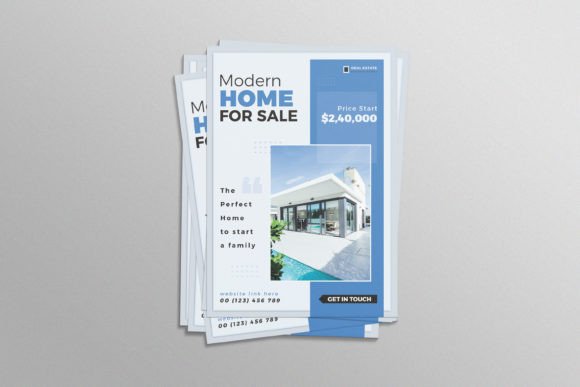
At its core, a high-quality flyer template is a pre-arranged composition of text, image placeholders, and graphical elements designed specifically for property promotion. Unlike starting a design from scratch, which demands significant graphic design expertise and time, a template provides a proven framework. The distinct advantage of a dedicated real estate template lies in its specific orientation toward property features. These designs prioritize space for high-resolution photography, clear typography for price and location details, and designated areas for agent contact information and branding. When executed correctly, the design guides the viewer's eye logically from the most attractive feature of the home to the call to action.
Comparing Template-Based Workflows to Custom Design
When deciding between utilizing a Real Estate Flyer Template Design and commissioning custom graphics or using basic drag-and-drop builders, several tradeoffs emerge. Custom design offers unlimited creative freedom but comes with high costs and long turnaround times. It is generally reserved for large-scale brand campaigns rather than individual listings. On the other end of the spectrum, free online builders offer speed but often lack the print-ready precision required for professional brochures. They may compress images or use RGB color modes unsuitable for offset printing.
A professional template, particularly one delivered as a layered PSD (Photoshop) file, occupies a middle ground that appeals to many professionals. It offers the polish of custom work with the speed of a preset system. The key differentiator here is the use of "smart objects." In a robust template, images are not merely pasted onto a canvas; they are embedded within smart object layers. This allows the user to double-click a layer, replace the source image, and have the new photo automatically masked, scaled, and fitted into the design without distorting the layout. This technical feature significantly streamlines the workflow for agents who manage multiple listings simultaneously.
Technical Specifications and Print Readiness
One of the most critical factors in evaluating a template is its technical readiness for professional printing. A design that looks vibrant on a monitor can appear dull or misaligned in print if the file specifications are incorrect. High-quality templates typically adhere to strict industry standards, such as a resolution of 300 DPI (dots per inch) and the CMYK color mode. CMYK (Cyan, Magenta, Yellow, Key/Black) is the standard for four-color process printing, whereas screens use RGB. Using an RGB file for print often results in muted colors and unexpected shifts in tone.
Furthermore, proper setup includes bleed areas. A standard requirement is a 5 mm bleed, which ensures that when the paper is trimmed to its final A4 size, there are no white edges if the cut is slightly off-register. Templates that include these specifications out-of-the-box save the user from costly reprints and amateurish results. For those producing materials for magazine advertisements, newspaper placements, or promotional posters, these technical details are non-negotiable. A template that handles these complexities internally allows the agent to focus solely on content and imagery.
Versatility Across Different Real Estate Scenarios
The utility of a multipurpose flyer template extends beyond simple "for sale" signs. The modern property market requires diverse communication strategies. A well-structured template set often includes variations suitable for different contexts:
- Open House Events: Layouts that emphasize date, time, and directional maps alongside key property highlights.
- Rental Listings: Designs that prioritize lease terms, availability dates, and amenity lists over sales-focused language.
- Just Sold/Market Updates: Formats designed to showcase success stories and build credibility with past clients.
- Renovation and Interior Design: Specialized layouts for contractors or stagers showing before-and-after comparisons.
This versatility is a significant decision factor. An agent who purchases a single-purpose template may find themselves needing new designs for every change in marketing tactic. In contrast, a package offering three different template variations allows for A/B testing of designs or adaptation to different property types, such as luxury estates versus starter homes, without requiring new software or skills.
Limitations and Learning Curves
Despite their advantages, template-based solutions are not without limitations. The primary barrier to entry for some users is the software requirement. Layered PSD files require Adobe Photoshop or a compatible editor. For agents accustomed to word processors or web-based tools, there is a learning curve associated with navigating layers, smart objects, and font management. While these files are described as "easy to edit," this is relative to the user's familiarity with graphic design software.
Additionally, templates do not include photography. The adage "garbage in, garbage out" applies strictly here. A stunning layout cannot compensate for poor-quality, low-resolution, or poorly lit property photos. Users must source their own high-grade imagery to realize the template's potential. Furthermore, while fonts are often listed as "free," users must ensure they have the correct licenses for commercial use if the template relies on specific typefaces not installed on their system. These are practical considerations that must be weighed against the time saved by not designing from scratch.
Making the Right Choice for Your Agency
Deciding whether a Real Estate Flyer Template Design is the right resource depends largely on your volume of listings and your commitment to brand consistency. If you are a solo agent handling a few listings a year, a simpler online builder might suffice. However, for growing agencies, teams of negotiators, or specialists in renovation and interior design who need to produce high-volume, high-quality print materials regularly, the investment in a professional template pays dividends.
The ability to quickly swap logos via smart objects also supports white-labeling or co-branding scenarios. For instance, a brokerage can distribute a master template to its agents, who then simply insert their headshot and contact details while maintaining the overarching corporate brand identity. This ensures that every piece of literature leaving the office meets a uniform standard of quality.
Ultimately, the value of these templates lies in their capacity to streamline the administrative burden of marketing. By removing the guesswork from layout and typography, agents can dedicate more energy to client relationships and property viewings. When selecting a template, prioritize those that offer full layer access, CMYK color profiles, and multiple variations. Look for resources that include help files to assist with the editing process. While photos are rarely included in downloads, the structural integrity of the design should be robust enough to handle various image aspect ratios without breaking the visual flow.
In conclusion, a professional flyer template is a strategic tool rather than just a cosmetic shortcut. It bridges the gap between DIY limitations and expensive agency fees. By understanding the technical requirements like 300 DPI resolution and bleed settings, and recognizing the workflow benefits of smart objects, real estate professionals can make informed decisions that enhance their marketing output. Whether used for a glossy magazine advert or a handout at an open house, the right template empowers agents to present properties in their best light, fostering trust and professionalism in every interaction.