Mastering Visual Impact: A Comprehensive Guide to Professional Book Cover and Flyer Design Templates
In the fast-paced digital and print landscape of today, first impressions are not just important; they are everything. Whether you are an author launching a new novel, a business owner promoting a seasonal sale, or a student presenting a creative portfolio, the visual representation of your work often dictates its success before a single word is read. This is where the power of a Beautiful Book Cover or Flyer Set Design comes into play. Understanding how to leverage professional templates can transform a mediocre project into a polished, market-ready product.
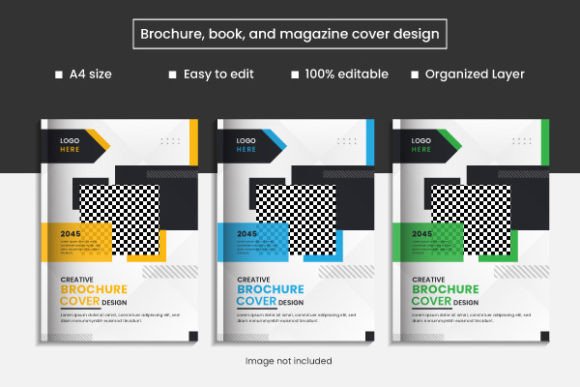
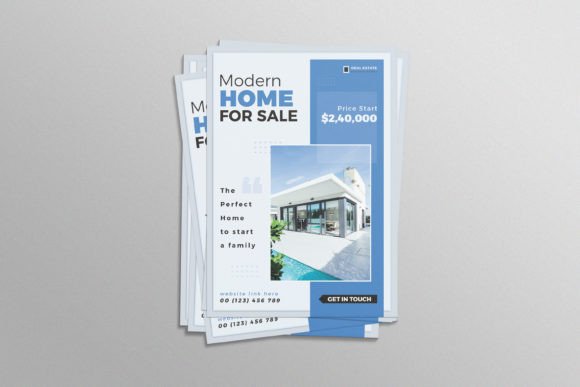
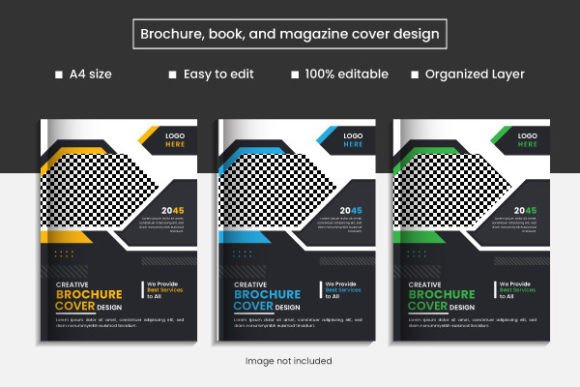
For many creators, the barrier to entry for high-quality design has historically been steep. It required years of training in graphic design software, an eye for typography, and access to expensive stock imagery. However, the modern era of design resources has democratized this process. By utilizing Modern Flyer or Creative Brochure Cover Design templates, individuals and businesses can achieve studio-quality results with efficiency and ease. This article explores the significance of these design assets, breaks down their technical specifications, and explains how they fit into the broader context of modern marketing and creativity.
The Strategic Importance of Professional Layouts
At its core, a book cover or a flyer is a communication tool. Its primary purpose is to grab attention, convey a message, and compel the viewer to take action—be it purchasing a book, attending an event, or visiting a website. In a world saturated with visual noise, a generic or poorly constructed design is likely to be ignored. A professionally designed template provides a structured foundation that adheres to principles of visual hierarchy, balance, and color theory.
When you choose a template, you are not just selecting a background image; you are adopting a strategic layout that has been tested for effectiveness. These designs guide the viewer's eye naturally from the headline to the supporting details and finally to the call to action. For authors, a stunning cover signals that the content within is equally well-crafted. For businesses, a sleek brochure suggests professionalism and reliability. The psychological impact of high-quality design cannot be overstated; it builds trust instantly.
Understanding the Technical Specifications
To truly appreciate the value of a design template, one must understand the technical language associated with it. When browsing for resources, you will often encounter terms like A4 Size, 300 DPI Resolution, and specific file formats. These are not arbitrary numbers; they are industry standards that ensure your final product looks crisp and professional, whether viewed on a screen or printed on paper.
The A4 Size (210 x 297 mm) is the international standard for document printing, widely used across Europe, Asia, and increasingly in other parts of the world for flyers, brochures, and reports. Designing within this constraint ensures that your layout fits perfectly on standard printing presses without awkward cropping or white borders.
Perhaps the most critical specification is the 300 DPI (Dots Per Inch) resolution. In the world of printing, resolution determines clarity. Images displayed on screens typically operate at 72 DPI, which is sufficient for monitors but results in pixelated, blurry output when printed. A 300 DPI file ensures that every line, curve, and text character remains sharp and distinct, even when held close to the eye. This level of detail is what separates amateur home-printed flyers from those produced by professional print shops.
The Power of Vector Editing and File Formats
One of the most significant advantages of using premium templates is the file format provided. High-quality sets usually include Illustrator EPS, Ai, and JPG files. Understanding the difference between these formats is crucial for maximizing the utility of your purchase.
The Ai (Adobe Illustrator) and EPS (Encapsulated PostScript) files are vector-based. Unlike raster images (made of pixels), vectors are made of mathematical paths. This means they are 100% vector and editable. You can scale a vector graphic up to the size of a billboard or down to the size of a business card without losing any quality. This scalability is essential for branding consistency. If you love a specific icon or shape in your flyer design, you can extract it and use it on your website, social media, or merchandise without fear of it becoming blocky or blurred.
Furthermore, these files are designed to be Easy to Edit. Even if you are not a seasoned graphic designer, software like Adobe Illustrator allows you to click on text boxes to change the wording, swap out color swatches to match your brand palette, and move elements around to suit your specific needs. The structure is already built; you simply need to customize the content.
The inclusion of JPG files serves a different but equally important purpose. These are high-resolution raster previews perfect for quick sharing on social media, email attachments, or digital mockups. They allow you to visualize the final product immediately without needing specialized software to open the file.
Color Modes and Font Flexibility
A common point of confusion for beginners is the distinction between color modes. Many of these modern templates utilize RGB Color Mode. RGB (Red, Green, Blue) is the standard for digital displays. While traditional print often uses CMYK, the versatility of RGB in modern templates allows for vibrant, glowing colors that look spectacular on digital platforms and can often be converted for print with minimal shift, depending on the printer's capabilities. It is always advisable to check with your specific print provider, but RGB offers the widest gamut of colors for digital-first marketing campaigns.
Another feature that enhances accessibility is the use of Free Font Use. One of the biggest hurdles in customizing a design is discovering that the original designer used a costly, licensed font that you do not have. Premium templates solve this by utilizing freely available typography. This ensures that when you open the file, the text renders exactly as intended, without triggering "missing font" errors or requiring additional purchases. This attention to detail saves time and reduces frustration, allowing you to focus on the message rather than the mechanics.
Practical Applications in Modern Life and Business
The utility of a Beautiful Book Cover or Flyer Set Design extends far beyond simple aesthetics. In the gig economy and the rise of self-publishing, these tools are vital assets for entrepreneurs.
- Self-Publishing Authors: With the rise of platforms like Amazon KDP, authors no longer need traditional publishing houses. However, they still need covers that compete with bestsellers. A professional template provides that competitive edge.
- Small Business Owners: Local cafes, boutiques, and service providers rely on flyers to drive foot traffic. A Creative Brochure Cover Design can announce a new menu, a seasonal sale, or a community event with style.
- Educators and Students: From science fair posters to thesis covers, academic presentations benefit from clean, organized layouts that make complex information digestible.
- Event Planners: Weddings, concerts, and corporate retreats all require cohesive visual identities. Template sets allow for matching invitations, programs, and promotional materials.
It is important to clarify a common misunderstanding regarding these templates: Images Not Included. When you purchase a template, you are buying the layout structure, the vector shapes, and the typography arrangement. The photographs you see in the preview are usually placeholders. This is actually a benefit, not a drawback. It means the design is a blank canvas waiting for your unique photography or illustrations. It prevents your flyer from looking identical to someone else's who bought the same template. You are encouraged to insert your own high-quality images to maintain uniqueness and copyright compliance.
Building a Broader Understanding of Design Efficiency
Ultimately, utilizing these templates is about working smarter, not harder. It acknowledges that while creativity is boundless, time and resources are finite. By starting with a robust foundation—a file that is 100 vector and editable, set at 300 DPI, and formatted for A4—you free up mental energy to focus on strategy and content.
In conclusion, the availability of high-quality, editable design templates has revolutionized how we approach visual communication. Whether you are crafting a Modern Flyer for a local event or designing a book cover that needs to stand out on a digital shelf, these resources provide the professional polish necessary to succeed. They bridge the gap between amateur efforts and professional outcomes, ensuring that your ideas are presented with the clarity and impact they deserve. By understanding the technical features and strategic value of these tools, you empower yourself to create visuals that not only look beautiful but also perform effectively in the real world.