Mastering Modern Book Cover and Flyer Set Design for Professional Impact
In today's visually saturated marketplace, the difference between a project that gains traction and one that goes unnoticed often comes down to first impressions. Whether you are an author launching a new novel, a business owner promoting a local event, or a marketing manager rolling out a corporate campaign, the visual identity of your printed materials is paramount. This is where Modern Book Cover or Flyer Set Design becomes an essential tool in your creative arsenal. It is not merely about making something look pretty; it is about strategic communication, brand consistency, and professional presentation.
Many individuals and small businesses face a common set of challenges when approaching print design. They often lack the time to learn complex design software from scratch, cannot afford expensive agency fees, or struggle to maintain a cohesive look across different media formats. You might have a brilliant story to tell or an exciting event to announce, but if your cover looks amateurish or your flyer lacks visual hierarchy, your audience may never engage with your content. The goal is clear: you need high-quality, editable, and versatile design assets that allow you to focus on your message rather than fighting with layout tools.
Understanding the Value of Template-Based Design
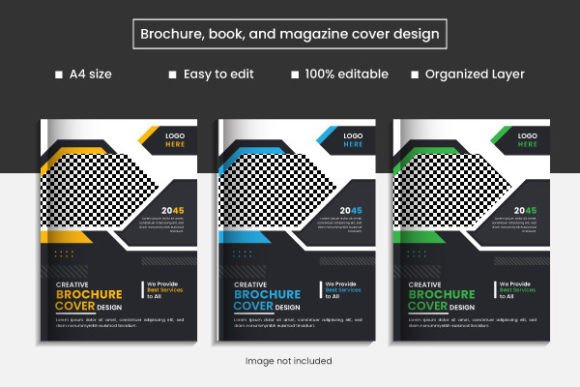
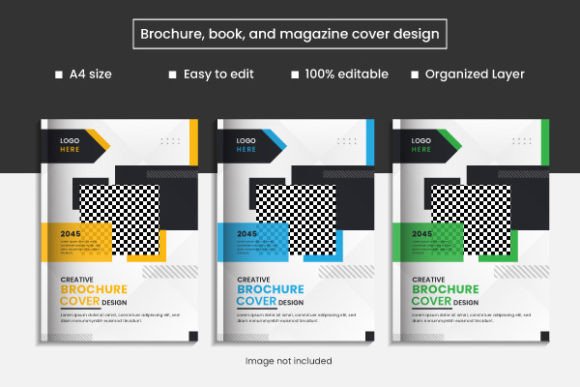
A Modern Book Cover or Flyer Set Design template provides a foundational structure that solves these problems efficiently. Unlike starting from a blank canvas, a professional template offers a pre-arranged composition of typography, imagery placeholders, and graphic elements that adhere to current design trends. These templates are specifically engineered to meet industry standards, such as A4 size formatting and 300 DPI resolution, ensuring that your final output is crisp and ready for professional printing.
The true power of these resources lies in their flexibility. When you utilize a template available in Illustrator EPS, AI, and JPG formats, you gain access to a fully vector-based workflow. This means every line, shape, and text box is scalable without losing quality. Whether you need to resize a graphic element for a larger banner or adjust the layout for a digital PDF, the vector nature of the file ensures perfection. Furthermore, because these files are 100% vector and editable, you are not locked into a rigid design. You can change colors to match your brand palette, swap out fonts to suit your tone, and rearrange elements to highlight specific information.
Overcoming Common Design Hurdles
One of the most significant barriers to entry for non-designers is the complexity of professional software like Adobe Illustrator. However, modern templates are designed with usability in mind. A key feature to look for is the use of free fonts. When a template utilizes freely available typography, you eliminate the frustration of missing font errors and the cost of purchasing commercial licenses. This allows you to open the file, edit the text, and see the design exactly as intended immediately.
Another critical consideration is color management. Professional templates often come in RGB color mode, which is ideal for digital sharing, social media promotion, and screen viewing. While print traditionally uses CMYK, having an RGB source file allows for vibrant on-screen proofs and easy conversion if your specific printer requires it. The inclusion of high-resolution JPG previews alongside the editable source files also streamlines the workflow, allowing you to share concepts with stakeholders before finalizing the edit.
It is important to note a standard limitation in the industry: images are typically not included in these template packages. This is actually a benefit rather than a drawback. It forces you to curate imagery that is specific to your project, ensuring uniqueness and avoiding the generic look of stock-heavy designs. By selecting your own photography or illustrations, you maintain full copyright control and ensure the visual narrative aligns perfectly with your specific goals.
Practical Applications and Strategic Outcomes
The applications for a Modern Book Cover or Flyer Set Design are vast and varied. For authors, a cohesive set means your book cover, promotional flyer, and press kit all share a unified visual language. This consistency builds brand recognition and signals professionalism to publishers and readers alike. Imagine launching a thriller novel; the template allows you to quickly adapt the bold typography and dark color scheme from the cover onto a series of event flyers for your book tour, creating a seamless marketing experience.
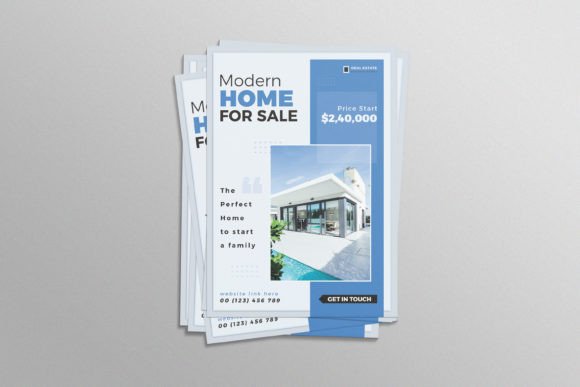
For businesses, the utility extends to event marketing and product launches. A creative brochure cover design can serve as the face of your company's annual report or a service catalog. By using an editable template, your marketing team can rapidly produce variations for different regions or demographics without redesigning the entire asset. For instance, a real estate agency can use a single flyer template to showcase dozens of different properties simply by swapping the image and adjusting the property details, saving hours of design time per listing.
Tailoring the Approach to Your Needs
Different users will approach Modern Book Cover or Flyer Set Design with different objectives, and the flexibility of these templates accommodates those variances. A freelance graphic designer might use these templates as a starting point to accelerate their workflow, customizing them heavily to deliver unique results to clients within tight deadlines. In this scenario, the AI and EPS files are crucial for deep customization and layer management.
Conversely, a small business owner with limited design experience might use the template more literally, focusing on changing the text and inserting their logo. For this user, the "easy to edit" feature is the primary value driver. They benefit from the professional layout decisions made by the original designer—such as proper margin spacing, font pairing, and visual balance—without needing to understand the theory behind them. The result is a polished product that elevates their brand perception.
Recommendations for Implementation
To get the most out of your design template, start by defining your core message and audience before opening the software. Know what information needs to be prominent and what can be secondary. When you begin editing, pay close attention to the hierarchy established in the template. If the original design uses a large, bold font for the headline, respect that structure even if you change the wording. Disrupting the visual flow can diminish the impact of the design.
Since images are not included, take time to source high-quality photography that matches the resolution requirements. Blurry or pixelated images can ruin an otherwise perfect 300 DPI vector layout. Look for images with good lighting and composition that complement the negative space provided in the template. Additionally, double-check your text for typos before exporting. Because these files are intended for print, errors can be costly to fix post-production.
Ultimately, leveraging a Modern Book Cover or Flyer Set Design is a strategic decision that balances quality, efficiency, and cost. It empowers you to produce professional-grade materials that command attention and convey trust. By utilizing resources that offer full editability, free font usage, and industry-standard specifications, you remove the technical barriers to great design. This allows you to channel your energy into what truly matters: crafting compelling content and connecting with your audience. Whether you are designing a single book cover or a comprehensive marketing suite, these templates provide the solid foundation you need to succeed in a competitive visual landscape.